Summer Table Signs: A Designer’s Review
As a designer who spends hours evaluating digital assets for both personal studio work and client commissions, I have learned to look past the glossy mockups. When I first encountered the 3D Summer Table Signs Bundle Laser Cut, my initial reaction was one of cautious optimism. The concept is undeniably trendy, tapping into that warm, nostalgic feeling of long weekends and outdoor gatherings. However, the true test of any machine embroidery design lies not in how it looks on a screen, but in how it translates to thread, fabric, and final product value.
This review focuses on the practical application of this bundle. We are looking at a collection intended for laser cutting integration, which suggests a hybrid approach to crafting. Whether you are an Etsy seller looking to expand your summer inventory or a hobbyist wanting to create unique home decor, understanding the nuances of this file set is crucial before you hit the start button on your machine.
First Impressions and Visual Personality
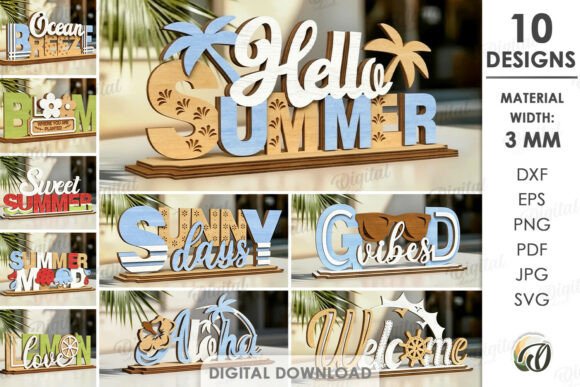
The mood of the 3D Summer Table Signs Bundle Laser Cut is bright, airy, and distinctly seasonal. The designs carry a playful energy that feels perfect for casual, lifestyle-oriented products. From a layout perspective, the shapes appear clean and bold, which is a smart choice for embroidery. Complex, overly intricate details often get lost in stitching or cause tension issues, whereas these signs seem to prioritize legibility and strong silhouettes.
What stands out immediately is the potential for layering. Since this bundle is tied to Laser Cutting, it implies that these designs are meant to interact with cut-out elements—perhaps felt, vinyl, or cardstock bases that sit beneath or alongside the embroidered sections. This adds a tactile dimension that pure embroidery cannot achieve on its own. For a small business owner, this means higher perceived value. Customers love items that feel multi-textured and thoughtfully constructed.
Real-World Application: Where Does It Fit?
To truly evaluate this product, I imagine it in specific project scenarios. Let’s consider a common request from my network of crafters: creating a cohesive summer collection for a boutique market.
Scenario 1: The Custom Tote Bag
Imagine a heavy canvas tote bag destined for a beach day or a farmers market visit. Placing a 3D Summer Table Signs motif here works beautifully. The sturdy fabric can support the weight of any stabilizer needed behind the design. If you use a contrasting thread color against a neutral canvas, the sign becomes the focal point. Adding a laser-cut accent piece—perhaps a wooden tag or a die-cut shape that matches the sign’s outline—elevates the item from a simple printed bag to a high-end handmade accessory. This is exactly the kind of custom apparel and accessory combo that performs well on social media and drives engagement for Etsy listings.
Scenario 2: Nursery and Baby Items
Summer isn’t just for adults. This bundle could easily translate to baby blankets or muslin swaddle covers. The shapes are likely simple enough to be recognizable even when scaled down. For a personalized gift, adding a child’s name within or below the sign design creates a sentimental keepsake. However, care must be taken with stitch density. Baby fabrics are delicate, and excessive stitching can make the material stiff. Testing on scrap muslin is non-negotiable here to ensure the finished product remains soft and safe for sensitive skin.
Scenario 3: Kitchen and Home Decor
Tea towels and kitchen aprons are another natural home for these designs. The "table sign" theme fits perfectly in a dining context. A monogrammed summer sign on a linen tea towel makes for an excellent wedding gift or housewarming present. The visual appeal here relies heavily on contrast. Light-colored linens paired with vibrant thread colors will make the design pop, while dark fabrics might require a pre-stabilized underlay to prevent the threads from sinking into the weave.
Technical Considerations and Stitch Clarity
When reviewing any embroidery file, I always think about the mechanics of the stitch. How does the design behave on the hoop? The 3D Summer Table Signs Bundle appears to rely on a mix of satin stitch for outlines and fill stitch for solid areas. This is a standard, reliable combination for most modern machines.
However, the mention of "Laser Cut" introduces a variable. Are these designs meant to be stitched directly onto the laser-cut shape, or are they separate elements? If they are separate, alignment becomes key. Misalignment between the embroidery and the cut piece can ruin the professional look of the finished product. I recommend creating a printable mockup first to visualize the scale and placement before committing to expensive materials.
Another critical factor is hoop size. Ensure the largest design in the bundle fits comfortably within your machine’s maximum hoop dimensions without requiring re-hooping, which can shift the registration. If the designs are large, consider using a larger hoop frame or planning for multiple hooping positions carefully.
Where to Use With Caution
Not every surface is suitable for every design. Here are a few areas where you should exercise caution:
- Small Hoop Sizes: If you are working on tiny patches or cap fronts, verify that the smallest detail in the sign design is large enough to be stitched clearly. Tiny text or thin lines may merge together, resulting in a muddy appearance.
- Textured Fabrics: While linen and cotton are ideal, highly textured fabrics like bouclé or thick terry cloth can distort the shape of the embroidery. The needle penetration might be inconsistent, leading to puckering.
- Stretchy Fabrics: For activewear or stretchy knit caps, you must use a strong tear-away or cut-away stabilizer. Without proper support, the fill stitch can pull and warp the garment during wear.
- Dense Stitch Areas: If the design has large blocks of dense stitching, it may become stiff. This is acceptable for tote bags but less desirable for wearable items like sweatshirts where drape is important.
Designer’s Notes for Success
Before you start producing these for your craft business, follow these practical steps to ensure quality:
- Test on Scrap Fabric: Always run a test stitch-out on the exact fabric type you plan to use. Check for thread breaks, tension issues, and color accuracy.
- Check Thread Contrast: Look at your chosen thread colors against your fabric in black and white mode (or desaturated view). This helps ensure the design elements remain distinct and readable.
- Inspect Small Details: Zoom in on the digital file. Are there any tiny triangles or sharp corners that might cause needle breakage or thread tangling? Simplify if necessary.
- Verify Licensing: As a digital product seller or commercial embroidery artist, confirm the license terms. Does the bundle allow for commercial sale of physical items? Is there a limit on units? Clear licensing protects your small shop product from legal issues.
- Stabilizer Selection: Match your stabilizer to the fabric weight. Heavy fabrics need heavy stabilizers; light fabrics need lightweight options. This balance is key to a professional finish.
Final Verdict
The 3D Summer Table Signs Bundle Laser Cut offers a versatile foundation for summer-themed projects. Its strength lies in its adaptability—it can serve as a standalone embroidery piece or part of a mixed-media project involving laser cutting. For designers and sellers, it provides a ready-made aesthetic that resonates with current trends.
It is best suited for home decor, tote bags, and apparel where durability and visual impact are priorities. By paying attention to stitch density, fabric choice, and proper stabilization, you can transform this digital asset into a high-quality, sellable handmade product. Just remember to test thoroughly and respect the technical limits of your equipment. When executed well, this bundle can add a refreshing, sunny touch to your creative portfolio.