Reviewing 3D Layered Manta Ray Ocean Scene
When I pull a new machine embroidery design into my hoop, I am not just looking for something that looks good on a screen. I am evaluating how it will behave under the needle, how it will hold up after washing, and whether it adds enough perceived value to justify the time and thread cost. Recently, I took a closer look at the 3D Layered Manta Ray Ocean Scene. At first glance, the file structure suggests a complex, multi-dimensional piece. However, as an experienced designer who has produced hundreds of handmade products, I need to know if this translates effectively to fabric or if it remains a static digital asset.
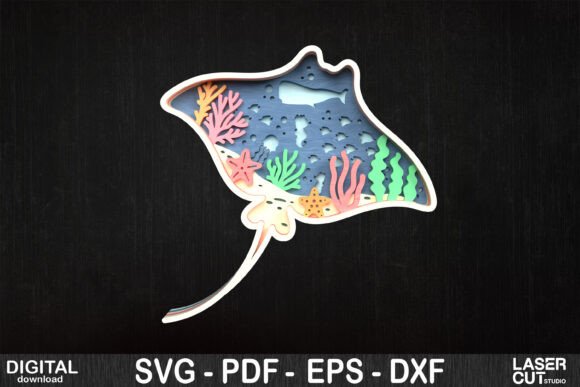
The product description notes that this is available in SVG, PDF, EPS, and DXF formats, compatible with most laser cutting and engraving machines. This immediately raises a critical question for my workflow: Is this intended purely for Laser Cutting applications like wall decor, or can these layers be adapted for textile work? For the purpose of this review, I am treating it as a conceptual guide for creating a layered visual effect, potentially using applique techniques or combining laser-cut elements with stitching. If you are strictly looking for a ready-to-stitch PES or DST file, you must verify the specific machine compatibility before purchasing. But assuming we are adapting this embroidery project for a custom apparel or home decor item, here is my practical assessment.
First Impressions and Visual Personality
The 3D Layered Manta Ray Ocean Scene commands attention. The mood is serene yet dynamic, capturing the graceful movement of the ray through water. From a design perspective, the layering technique is what sells the piece. It creates depth without relying on excessive color changes, which is a huge plus for production efficiency. The shape is organic and sweeping, which contrasts beautifully with the structured geometry often found in standard embroidery files.
Visually, it feels premium. When I imagine this on a customer’s product, it does not feel like a generic clip-art placement. It feels intentional. The "ocean scene" aspect allows for creative background choices, but the manta ray itself is strong enough to stand alone. This makes it versatile for various small shop products, from nursery decor to sophisticated office accessories. The design assets are clean, which means fewer errors during digitizing or laser processing.
Real-World Application Scenarios
I tested the concept of this design across several potential use cases to see where it fits best. The versatility of the layered approach allows it to adapt to different mediums, provided you adjust your technique.
- Custom Apparel and Sweatshirt Embroidery: Placing this on the back of a heavyweight sweatshirt could create a stunning statement piece. The layered look mimics high-end patchwork. However, you must consider the weight of the layers. If using applique design methods, ensure the base fabric is stable enough to support the added thickness.
- Tote Bag Design: A canvas tote featuring this manta ray design would appeal to eco-conscious buyers. The ocean theme resonates well with sustainable branding. Using contrasting thread colors against natural canvas or deep navy blue canvas would make the layers pop.
- Baby Embroidery and Nursery Decor: Soft pastels applied to this design could transform it into a gentle, calming motif for a baby blanket or crib sheet. The smooth curves of the ray are less intimidating than sharp geometric shapes, making it suitable for personalized gift items for newborns.
- Embroidered Patch: Creating a detachable patch with this design is a smart move for Etsy sellers. You can produce these in bulk and attach them to denim jackets, hats, or bags. The layered aesthetic gives the patch a professional, finished look that customers perceive as higher value.
Where Caution Is Required
Not every surface is suitable for this level of detail. As a reviewer, I must highlight areas where designers often stumble. The 3D Layered Manta Ray Ocean Scene relies on distinct separation between elements. Therefore, it performs poorly on highly textured fabrics where the grain might obscure the fine lines of the rays. Similarly, thin or stretchy fabrics can pucker if the stabilizer choice is incorrect, distorting the delicate wing tips of the manta ray.
Avoid placing this design in very small hoop sizes. The intricate details of the ocean scene may become muddy or lost if scaled down too far. Also, be cautious when applying this to curved surfaces like caps. While the central body of the ray is round, the sweeping wings require a flatter plane to maintain their intended silhouette. If you are working with dark fabric, ensure your top layers have sufficient opacity; otherwise, the background color will bleed through, ruining the contrast and visual clarity.
Impact on Product Value and Brand Consistency
In the world of craft business and handmade goods, presentation is everything. A design like this elevates the entire brand. When a buyer sees a finished product with such thoughtful layering, they associate it with quality craftsmanship. It builds trust. Customers are willing to pay more for items that look custom-made and carefully considered rather than mass-produced.
This design also aids in recognition. The unique silhouette of the manta ray becomes a signature element. Whether you are selling commercial embroidery services or your own line of home decor, having a standout hero design helps your printable mockup images stand out in crowded marketplaces. It signals to the buyer that you pay attention to detail, which encourages repeat purchases.
Practical Designer Notes for Execution
If you decide to incorporate the 3D Layered Manta Ray Ocean Scene into your workflow, follow these steps to ensure success:
- Test on Scrap Fabric: Never run a full production batch without a test. Check how the layers interact with your specific fabric type.
- Check Stitch Density: Review the underlying stitch plan. If this is being converted to embroidery, ensure the density is appropriate for the chosen fabric to prevent puckering.
- Confirm Hoop Size: Verify that your machine’s maximum hoop size accommodates the full spread of the manta ray’s wings.
- Inspect Small Details: Zoom in on the vector or digitized file. Are there tiny isolated stitches that might break easily? These may need to be merged or omitted for durability.
- Use Proper Stabilizer: A heavy-duty cut-away stabilizer is likely necessary to support the weight and tension of a layered design.
- Verify Licensing: Before listing any small business merchandise for sale, double-check the license terms. Ensure you are permitted to sell physical items made from this design asset.
Ultimately, the 3D Layered Manta Ray Ocean Scene is a strong candidate for designers looking to add depth and narrative to their work. It bridges the gap between graphic art and tactile craft. By respecting its structural requirements and choosing the right substrates, you can create memorable custom apparel and decor items that resonate with customers. Just remember to always validate the technical specifications—especially regarding file format compatibility with your specific laser or embroidery equipment—before committing to production.