Grizzly Bear 3D Shadow Box Review
As a designer who spends half the day tweaking digitizing files and the other half testing them on actual fabric, I don’t just look at an embroidery design; I look at how it will behave under the needle. When I first pulled up Grizzly Bear 3D Shadow Box, my immediate reaction was less about the bear itself and more about the structural challenge it presents. This isn’t your standard floral monogram or simple logo. It is a layered, square paper-cutting template that translates into a complex machine embroidery design. For those of us in the craft business looking to add unique, high-value items to our Etsy seller inventory, this file offers a distinct aesthetic but demands careful planning.
First Impressions: The Mood and Visual Personality
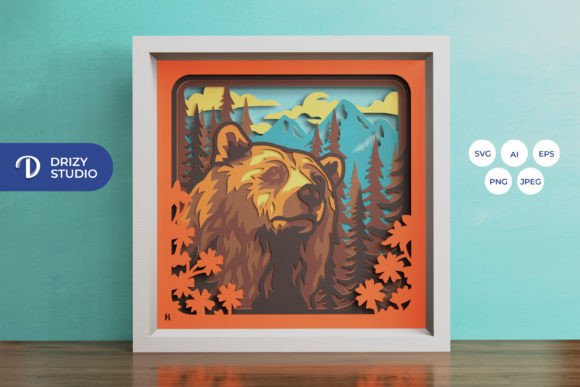
The moment you open the file, the embroidery project feels like a statement piece. The Grizzly Bear 3D Shadow Box relies heavily on depth. Unlike traditional flat designs that sit on top of the fabric, this 3D SVG concept mimics the look of layered paper art. In an embroidery context, this usually means a heavy reliance on precise placement, likely combining different stitch types to create that "shadow" effect. The mood is rugged, natural, and slightly rustic. It doesn’t scream "corporate office wear"; it whispers "outdoor lifestyle," "cabin decor," or "heritage brand."
Visually, the layout is square, which gives it a balanced, poster-like quality. This makes it incredibly versatile for home goods. However, the detail level is where a designer needs to pay attention. The bear’s features aren’t just outlines; they are built through layers. If you are used to simple satin stitch borders, this will require a shift in thinking. You have to consider how the negative space interacts with the positive space. Does the background fabric show through? Is the design dense enough to stand alone, or does it need a contrasting backdrop to make the layers pop?
Real-World Application: From Screen to Stitch
Let’s talk about putting this to work. I imagine this design being stitched onto a heavy-duty canvas tote bag design for a weekend market stall. The weight of the canvas can support the density required for a design like this without puckering, provided you use the right stabilizer. Alternatively, picture this on a premium cotton sweatshirt embroidery project for a boutique client. The rustic grizzly theme fits perfectly with fall collections or holiday gifts aimed at nature enthusiasts.
I also see potential here for personalized gifts. A custom apparel item featuring this bear could be marketed as a "dad gift" or a graduation present for someone heading into forestry or outdoor studies. The emotional connection buyers feel with wildlife imagery is strong, and adding a 3D shadow box element elevates it from a basic print to a textured, tactile experience. For digital product sellers, creating printable mockups of this design on wooden signs or framed canvas prints before stitching can help gauge customer interest without risking thread waste.
However, not every surface is created equal. While this looks stunning on a flat pillow cover, applying it to a curved surface like a baseball cap requires significant hoop stability and potentially a flexible tear-away stabilizer to prevent distortion. The curvature can flatten the "3D" illusion if the layers aren't aligned perfectly. Similarly, using this on thin fabric is a recipe for disaster; the tension needed to keep these layers crisp would likely cause the fabric to pucker severely.
Technical Considerations for Embroidery Designers
Before running this file, there are several practical notes every designer should consider. First, check the stitch density. A 3D shadow effect often involves multiple passes or overlapping elements. If the density is too high, your machine might skip stitches, especially if you are using lower-quality thread. Conversely, if it’s too sparse, the "layers" won't read clearly from a distance, and the design will look muddy.
Hoop size is another critical factor. Ensure your embroidery machine has a hoop large enough to accommodate the entire square layout without needing to rehoop, which can misalign the layers. If the design exceeds your machine’s capacity, you may need to split the file, but be aware that seam lines can ruin the seamless paper-cut illusion.
Thread color selection is paramount. To achieve the shadow box effect, you’ll likely need a palette that contrasts sharply between layers. Don’t rely solely on the digital preview; test it in black and white mockups to ensure the contrast holds up. Also, inspect small details closely. Are there tiny connecting threads that might break during trimming? If so, you might need to adjust the jump stitches manually in your digitizing software.
Where to Use Carefully
While this design has broad appeal, there are specific scenarios where it should be used with caution:
- Small Hoop Sizes: If the design is scaled down too much, the intricate layering will disappear, leaving just a blob of color. Keep it large enough to breathe.
- Textured Fabrics: Avoid bouclé, heavy tweed, or loosely woven linen. The needle penetration might be inconsistent, and the texture of the fabric will clash with the clean lines of the shadow box style.
- Stretchy Fabric: Knits can distort the square geometry of the design. If you must use knit, a heavy-duty cut-away stabilizer is non-negotiable.
- Dense Stitch Areas: If the bear’s fur is rendered with dense fill stitches, ensure your machine’s motor can handle the heat buildup, especially if you are producing multiple units for a small shop product run.
Impact on Product Value and Brand Consistency
Using a design like Grizzly Bear 3D Shadow Box signals professionalism. It shows customers that you invest time in selecting unique, high-quality assets rather than generic clip art. This builds trust and allows you to command higher prices for your handmade product. When a buyer sees the complexity of the layers, they perceive greater value.
For commercial embroidery projects, this design helps establish a brand identity centered around nature, durability, and craftsmanship. It works well for embroidered patch applications where the square shape serves as a badge of honor. Whether you are selling finished goods or offering customization services, this file adds a layer of sophistication that simple logos cannot match.
Final Verdict
The Grizzly Bear 3D Shadow Box is a powerful tool for any designer willing to put in the prep work. It is not a "set it and forget it" file; it requires thoughtful execution regarding stabilizers, thread choices, and fabric selection. But when done correctly, the result is a stunning finished product that stands out in a crowded marketplace. Test it on scrap fabric first, verify your licensing terms for commercial use, and embrace the challenge. Your customers will appreciate the depth and character this design brings to their personalized gift or home decor item.