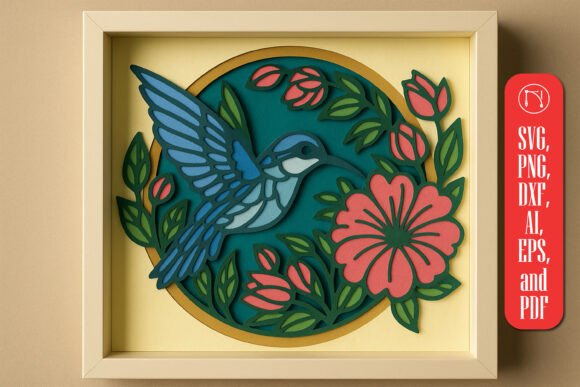
3D Hummingbirds Shadow Box SVG Cut File Review
In the world of digital publishing, visual communication is not merely decorative; it is functional. As a blog designer and digital publisher who has spent years optimizing content for both reader engagement and search visibility, I approach every graphic design asset with a critical eye. We are looking for more than just aesthetics; we need elements that support editorial quality, enhance visual hierarchy, and build immediate trust with our audience. Recently, I evaluated the 3D Hummingbirds Shadow Box SVG Cut File to determine its viability for real-world content publishing projects, ranging from affiliate marketing blogs to educational newsletters.
The First Impression: Editorial Mood and Niche Fit
When you first engage with this asset, the immediate takeaway is its delicate balance between artistic flair and structural clarity. The design invites you to bring the beauty of nature into your crafts, but in a digital context, it does something slightly different: it softens the hard edges of web interfaces without sacrificing professionalism. The multi-layered composition featuring charming hummingbirds and intricate floral elements creates a mood that is distinctly lifestyle-focused, yet polished enough for serious editorial use.
This is not a chaotic or overly busy graphic. It feels clean, modern, and intentionally placed. For content creators in niches such as wellness, gardening, home decor, feminine entrepreneurship, or creative hobbies, this 3D SVG provides an instant anchor for brand identity. It suggests a narrative of growth, elegance, and natural beauty. When used correctly, it signals to the reader that the content behind the image is curated with care. This subtle psychological cue is vital for improving reader trust and encouraging longer session durations on your site.
Integrating 3D SVG Assets into Real Publishing Workflows
One of the most significant advantages of using an SVG format like the 3D Hummingbirds Shadow Box is its versatility across multiple touchpoints in a content marketing funnel. Unlike raster images that pixelate when scaled, vector files allow for crisp rendering at any size. Here is how this asset integrates into a typical publishing workflow:
- Pinterest Graphics and Social Media Previews: The layered depth of the shadow box design stands out in crowded feeds. On Pinterest, where click-through rates depend heavily on visual appeal, this social media graphics element can serve as a high-converting pin template. Its vertical-friendly composition works well for standard pin dimensions.
- Blog Featured Images and Headers: For article headers, the central focus of the hummingbird draws the eye naturally. When paired with ample negative space, it allows headline text to remain readable while adding a layer of sophistication. This supports better web design practices by balancing text and imagery effectively.
- Digital Guides and Lead Magnets: If you are creating downloadable resources, worksheets, or eBooks, this digital product aesthetic elevates the perceived value. A cover page designed with this creative design element looks less like a generic template and more like a bespoke resource, which can significantly boost opt-in rates for your lead magnet.
- Newsletter Banners: Email clients often strip complex styles, but clean SVGs or exported PNGs derived from them render reliably. Using this as a header in your weekly newsletter reinforces brand identity and keeps your emails visually consistent with your website.
Impact on Content Performance and Brand Identity
Why does the choice of design assets matter for performance metrics? The answer lies in cognitive load and recognition. When your website features a cohesive visual language, readers subconsciously recognize your brand faster. The 3D Hummingbirds Shadow Box SVG Cut File contributes to a stronger visual identity by introducing organic shapes that contrast nicely with the grid-based layouts common in blogging platforms.
Furthermore, proper use of such assets improves visual hierarchy. By placing this graphic strategically—perhaps as a background accent behind a call-to-action button or as a divider between sections—you guide the reader’s eye toward the most important information. This clarity reduces bounce rates because the user understands the structure of the content immediately. In the context of affiliate marketing, where trust is paramount, a polished, professional look helps validate the recommendations you are making to your audience.
Strategic Placement: Where It Works Best
To maximize the return on investment for your design efforts, consider where this modern design asset shines brightest. It is particularly effective in:
- Hero Images: Use it as a subtle overlay or corner accent to add depth without obscuring primary messaging.
- Category Thumbnails: Differentiate categories (e.g., "Spring Crafts" vs. "Year-Round Projects") by applying color variations of this SVG.
- Editorial Accents: Use small cutouts as bullet points or section dividers to break up long-form text.
- Media Kits: Include this aesthetic in your pitch deck to demonstrate your ability to create high-quality, branded content.
However, there are contexts where caution is required. Avoid using this commercial design asset in situations demanding stark minimalism or corporate seriousness. For example, a financial advisory blog or a legal tech startup might find the playful, organic nature of the hummingbird too informal. Additionally, be mindful of mobile screens. While SVGs scale well, ensure that the fine details of the shadow box layers do not become muddy or indistinguishable on very small devices. Always test your designs at 375px width to confirm readability.
Practical Publisher Notes for Implementation
Before integrating the 3D Hummingbirds Shadow Box SVG Cut File into your live site, follow these technical and strategic checks to ensure optimal results:
Typography Pairing: Experiment with font combinations. This organic design pairs beautifully with elegant serif fonts for headings, creating a classic editorial look. For a more contemporary feel, try pairing it with a clean sans-serif font. Avoid cluttering the layout with script or handwritten fonts unless you are deliberately aiming for a scrapbook-style aesthetic, as this can compete with the intricate details of the SVG.
Contrast and Readability: Preview your design against various background colors. Ensure that if you place text over the graphic, the contrast ratio meets accessibility standards. A light-colored hummingbird on a white background may lack definition; consider adjusting opacity or adding a subtle drop shadow to separate the layers.
File Optimization: Even though SVGs are lightweight, exporting them for web use requires care. Flatten layers if necessary, remove unnecessary metadata, and convert to optimized PNGs for broader compatibility if your platform does not support inline SVGs. Compress images properly to maintain fast page load times, which is crucial for SEO.
Licensing Verification: Finally, always review the commercial license associated with the file. Confirm whether you can use the asset on monetized websites, in paid digital products, or for client work. Understanding these terms protects your business and ensures ethical use of creative marketplace resources.
Conclusion
The 3D Hummingbirds Shadow Box SVG Cut File is more than just a craft project; it is a versatile tool for digital publishers seeking to elevate their visual storytelling. By understanding its strengths in creating emotional connection and editorial polish, you can deploy it strategically across your blog, social channels, and digital products. When used with attention to typography, contrast, and context, it becomes a powerful component of your overall content marketing strategy, helping you build a brand that is not only seen but remembered.