Cross 3D SVG Multilayer PaperСut Files Review
In the world of digital publishing, visual hierarchy is not just an aesthetic choice; it is a functional necessity. As a blog designer and digital publisher who has spent years optimizing content for both search engines and human readers, I have learned that the difference between a scroll-past and a click-through often comes down to the quality of your graphic design asset. Recently, I evaluated a specific file titled Cross 3D SVG Multilayer PaperСut Files, designed primarily for home wall decor, to determine its viability as a versatile tool for editorial and content marketing purposes. What follows is a practical review based on real-world publishing workflows.
The First Impression: Editorial Mood and Visual Identity
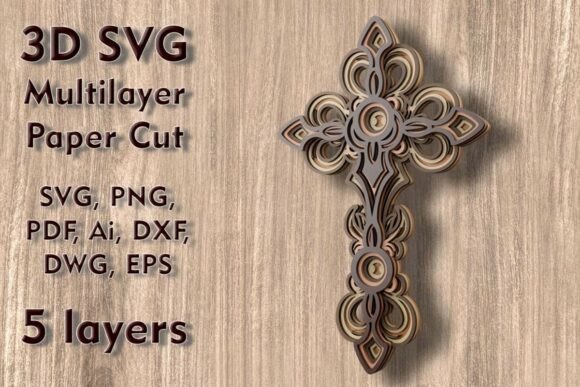
When you first load Cross 3D SVG Multilayer PaperСut Files, the immediate takeaway is its sophisticated depth. Unlike flat vector icons that can feel generic or dated, this asset utilizes multilayering to create a tangible sense of space. The design evokes a mood that is simultaneously modern, clean, and artistic. It leans heavily into a lifestyle-focused aesthetic, making it particularly suitable for niches such as interior design, faith-based living, wedding planning, or high-end home organization.
From an editorial perspective, the visual language here supports trust. Readers subconsciously associate polished, intricate visuals with authority and care. If your content marketing strategy relies on building a strong brand identity, using a modern design element like this signals that you value quality. It transforms a standard blog post header into a piece of editorial design that commands attention without shouting. The cross motif, rendered in a paper-cut style, adds a layer of tactile realism that flat images simply cannot replicate.
Real-World Publishing Applications
One of the most common questions I receive from affiliate marketers and online educators is how to repurpose static assets across multiple platforms. Cross 3D SVG Multilayer PaperСut Files offers surprising versatility beyond its intended use as a physical decoration. Because the source is an SVG (Scalable Vector Graphics) file, it remains crisp at any resolution, which is critical for responsive web design.
Here is how this asset integrates into a typical publishing workflow:
- Pinterest Pins and Social Media Graphics: The layered effect creates natural contrast against solid color backgrounds, improving visibility in crowded feeds. This is essential for driving traffic from social media to your website.
- Blog Featured Images: Using the cross as a central anchor allows you to overlay headline text clearly. It provides a sophisticated backdrop that does not compete with your typography.
- Digital Guides and Lead Magnets: For those creating downloadable resources, worksheets, or eBooks, this design elevates the perceived value of the digital product. A cover featuring high-quality creative design elements suggests that the content inside is equally valuable.
- Newsletter Headers: In email marketing, visual clutter kills open rates. A clean, multilayered graphic helps segment your newsletter visually, making it stand out in a subscriber’s inbox.
- Canva Templates: If you provide templates to your audience, incorporating this SVG allows them to maintain a consistent, professional look when they customize their own materials.
Performance and Reader Trust
Why does this matter for your bottom line? Stronger first impressions lead to clearer visual hierarchy. When a visitor lands on your site, they make a judgment call within seconds. A polished website header or article thumbnail using Cross 3D SVG Multilayer PaperСut Files reduces cognitive load by providing a clear, beautiful focal point. This directly impacts click-through potential and reader trust.
Furthermore, consistency is key to small business branding. By using a recurring visual motif—such as the layered cross—you create a recognizable visual identity across your content marketing efforts. Whether it appears on a category thumbnail, a sidebar banner, or a printable design, the repeated exposure reinforces your brand’s professional standards. This is particularly effective in competitive niches where differentiation is difficult.
Strategic Placement and Niche Fit
To maximize the impact of this asset, you must place it strategically. It works best in areas where you want to draw the eye but not overwhelm it. Hero images on landing pages are ideal candidates. Similarly, using it as an accent in affiliate content visuals can subtly guide the reader’s attention toward a call-to-action button.
However, there are contexts where caution is advised. This design is decorative and ornamental. Therefore, it should be used carefully in serious professional niches, corporate content, or websites that require a very minimal visual system. Additionally, avoid placing this asset in small mobile thumbnails where the thin elements may become indistinct. Text-heavy blog images also need careful handling; ensure the background layers do not interfere with text readability. Low-contrast backgrounds can cause the layers to blend together, losing the 3D effect entirely.
Technical Publisher Notes and Best Practices
As a publisher, I always stress the importance of technical optimization alongside aesthetics. Here are my practical notes for integrating Cross 3D SVG Multilayer PaperСut Files into your site:
- Responsive Testing: Always test the asset on desktop and mobile screens. The original description notes the size as 250 x 160 mm (9.9 x 6.3 in). While the size is easily increased via the vector format, be careful in reducing the design. Consider thin elements; if scaled down too far, the layers may merge visually, defeating the purpose of the 3D effect.
- Typography Pairing: Experiment with font pairings. Place the graphic beside serif fonts for a traditional, trustworthy look, or sans-serif fonts for a modern, clean vibe. Script or handwritten fonts can work well for lifestyle blogs but may clash with the geometric precision of the paper cut. Display fonts should be used sparingly to avoid competition with the graphic.
- Contrast and Readability: Check how the asset looks against various background colors. Test it in black and white to ensure the structural integrity holds up even without color cues. Good visual hierarchy depends on contrast.
- Web Performance: Even though SVGs are lightweight, complex multilayer files can increase code weight. Review file size for web performance. Compress images properly and ensure you are serving optimized versions to maintain fast load times, which is crucial for SEO.
- Licensing Verification: Before using this asset on monetized websites, affiliate pages, or paid content products, confirm commercial licensing. Ensure you have the right to use it as part of a commercial design project. Many creative marketplaces offer different tiers of licenses, so verify that your usage falls within the permitted scope.
Final Verdict for Content Creators
Cross 3D SVG Multilayer PaperСut Files is more than just a decorative clipart; it is a strategic tool for enhancing editorial quality. For bloggers, designers, and digital publishers looking to elevate their design assets, this file offers a blend of artistic flair and technical flexibility. It supports a wide range of use cases, from digital download covers to social media previews, provided it is implemented with an understanding of scale and context.
If your goal is to create content that looks polished, clickable, and trustworthy, integrating high-quality vector graphics like this one is a smart investment. It bridges the gap between simple content creation and professional publishing, helping your brand stand out in a crowded digital landscape. Just remember to respect the details—scale wisely, check your contrasts, and always prioritize the user experience.