Personalized 3D Mom Sign SVG Review
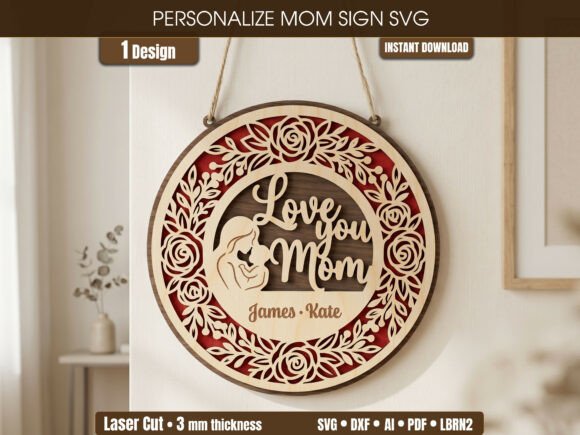
As a designer who spends more time staring at stitch paths and fabric grain than actually sleeping, I have learned to be skeptical of any design that promises too much. However, when evaluating a Personalized 3D Mom Sign SVG, the initial impression is one of structured elegance rather than chaotic complexity. This is not just another generic clipart file slapped onto a tote bag; it is a layered composition that demands respect from the embroiderer. The design features a round floral wall hanging aesthetic, anchored by a delicate rose frame and centered around the classic “Love You Mom” lettering. For those of us in the craft business or those creating high-end personalized gifts, understanding how this 3D SVG translates from screen to hoop is critical before committing to production.
First Impressions and Visual Personality
The moment you load this machine embroidery design into your digitizing software, the layout speaks for itself. It possesses a soft, feminine energy that aligns perfectly with the emotional weight of Mother’s Day. The circular shape provides a contained focal point, which is excellent for stabilizing complex designs. Unlike sprawling landscape designs that can warp on thin fabrics, the radial symmetry of this piece offers structural integrity. The delicate rose frame suggests a vintage or shabby-chic vibe, while the central text grounds the piece in modern sentimentality. It feels like a design meant to be displayed, not just worn. This visual personality makes it an ideal candidate for home decor items, but its versatility allows it to cross over into apparel if executed with care.
Real-World Application: From Screen to Stitch
To truly judge a design, we must look at it in action. Let’s consider a real-life scenario: preparing a custom embroidered tote bag for a boutique client. When placing this tote bag design on canvas or heavy cotton duck, the layered nature of the Personalized 3D Mom Sign SVG shines. The "3D" aspect usually implies depth through layering or shadow effects in the digital file. In embroidery, this translates to how different thread colors and stitch types interact. If the design utilizes distinct layers for the roses versus the text, it creates a tactile experience that flat single-color fills cannot match. Customers touching a handmade product appreciate that dimension. It elevates the perceived value of the item, transforming a simple canvas bag into a keepsake.
Furthermore, this design fits seamlessly into the category of custom apparel. Imagine this stitched onto the pocket of a chambray shirt or the chest area of a sweatshirt. The round format works beautifully against the rectangular constraint of a garment pocket, creating a balanced contrast. For sweatshirt embroidery, the density of the fill stitches within the rose petals needs to be substantial enough to stand up against the fuzzy texture of fleece or jersey. If the stitch density is too low, the design will look limp and unprofessional. However, if balanced correctly, the contrast between the smooth satin stitch used for lettering and the textured fill of the flowers creates a sophisticated finish that buyers are willing to pay a premium for.
Technical Considerations and Fabric Compatibility
Not every surface is created equal, and a skilled designer knows when to say no. While this embroidery project is versatile, there are specific scenarios where caution is required. Testing on scrap fabric is non-negotiable. When working with textured fabrics like burlap or thick tweed, the fine details of the delicate rose frame may get lost. The needle penetration might struggle, leading to skipped stitches or distortion of the underlying weave. Similarly, using this on stretchy fabric without proper stabilization can result in puckering, especially around the dense lettering areas. The tension changes as the fabric stretches under the hoop, potentially warping the circular shape into an oval.
Dark fabrics present another challenge. If the original design relies on light-colored threads for the highlights in the rose petals, they may disappear against a black background. A professional approach involves reviewing the design in a black-and-white mockup first to check contrast levels. You may need to adjust the thread colors or add a contrasting backing layer to ensure the details pop. Additionally, for products that require frequent washing, such as kitchen towels or aprons, the longevity of the stitching matters. Dense fill stitches hold up better than sparse running stitches, so verifying the stability of the design’s core elements is essential for customer satisfaction.
Design Assets and Commercial Viability
For the Etsy seller or small shop product creator, the commercial potential of this design is significant. It taps into the evergreen market of maternal love, making it relevant not just for Mother’s Day but also for birthdays, anniversaries, and holidays. The ability to personalize it adds a layer of exclusivity that drives sales. However, selling finished goods requires attention to detail. The presentation matters. A clean, well-stitched finished product builds trust. If the edges of the rose frame are jagged or the lettering is misaligned, the brand suffers. Using a high-quality stabilizer appropriate for the fabric weight is crucial to maintaining the crispness of the satin stitch outlines.
Moreover, the design’s adaptability extends to digital product previews. Even if you are selling the digital embroidery file itself, having mockups that show the design on various items—pillow covers, nursery decor, baby clothes—helps buyers visualize the end result. The round shape is particularly effective in mockups because it frames the content nicely, drawing the eye directly to the “Love You Mom” message. This visual clarity reduces buyer hesitation and increases conversion rates.
Practical Designer Notes for Execution
- Test First: Always run a test stitch on a scrap of the actual fabric you intend to use. This reveals issues with tension, thread balance, and fabric compatibility before you commit to the final piece.
- Check Density: Evaluate the stitch density of the rose petals. If it is too dense for the fabric weight, it may cause bulkiness; if too sparse, it may lack definition.
- Hoop Size Matters: Confirm the optimal hoop size for the design. Attempting to stitch a large circular design in a small hoop can lead to re-hooping errors or distortion.
- Contrast is Key: Inspect small details and ensure there is sufficient contrast between the thread colors and the fabric. Low contrast can make the design look muddy.
- Licensing: Before selling any commercial embroidery items, verify the licensing terms of the Personalized 3D Mom Sign SVG. Ensure you have the right to sell finished goods made from the design.
Final Verdict
The Personalized 3D Mom Sign SVG is a thoughtful, well-composed design that rewards careful execution. It bridges the gap between decorative art and functional embroidery, making it suitable for a wide range of handmade products. Whether you are creating a sentimental gift for family or building a robust inventory for your online store, this design offers a strong foundation. Its success, however, depends entirely on the embroiderer’s ability to manage fabric behavior, thread selection, and stitch quality. By treating it with the technical rigor it deserves, you can produce a personalized gift that resonates emotionally with recipients and stands out in a crowded marketplace.