3D Layered Dragonfly Paper Laser Cut SVG Review
As a designer who spends more time than I care to admit staring at stitch lines and fabric grain, I have learned that not every digital file translates well into physical reality. There is a distinct difference between a graphic that looks good on a screen and an embroidery design that holds its own when stitched onto a garment or accessory. This review focuses on the 3D Layered Dragonfly Paper Laser Cut SVG, a file that promises intricate detail and depth. But does it hold up in real-world application? Can it elevate a craft business item, or is it just another pretty picture that falls apart under the needle?
First Impressions: Visual Personality and Mood
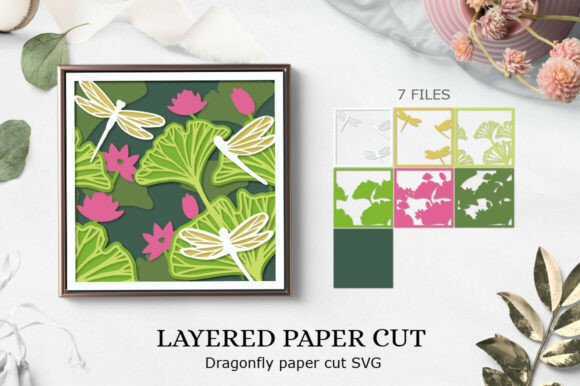
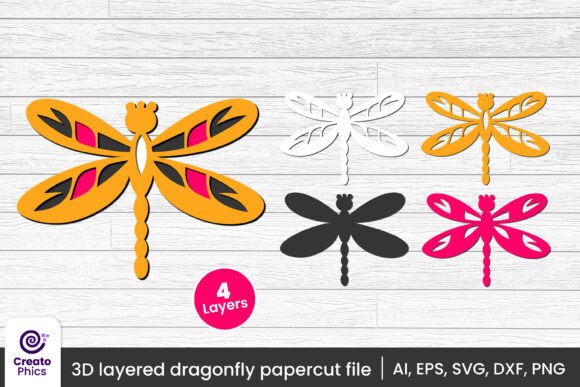
The moment you open this file, the intent is clear: it is designed for complexity and dimension. The term "3D" here suggests a layered approach, mimicking the delicate, overlapping wings of a dragonfly through precise cutting or stitching paths. It evokes a sense of lightness and summer elegance. For designers looking to add a touch of whimsy without overwhelming a piece, this machine embroidery design offers a sophisticated alternative to bold, blocky graphics.
The visual personality of the 3D Layered Dragonfly Paper Laser Cut SVG is airy yet structured. It feels appropriate for spring and summer collections but possesses enough timeless appeal to work year-round. When evaluating such a file, I look at how the negative space interacts with the positive space. In this case, the layers create natural breaks that can translate beautifully into different thread colors or fabric textures, provided the underlying structure is sound.
Real-World Application: From Screen to Stitch
To truly understand the value of this design, we must move beyond the digital preview and imagine it in production. Let’s consider a specific scenario: creating a custom line of boutique tote bags for a local craft fair. You want something that stands out against the usual floral or geometric patterns. A dragonfly motif, rendered with layered depth, immediately grabs attention.
When applied to a sturdy canvas tote, this tote bag design allows for creative use of materials. If treated as an applique style, you could layer different colored fabrics to mimic the iridescence of dragonfly wings. The "paper laser cut" aesthetic implies sharp, clean edges, which means the satin stitch borders need to be crisp to maintain that illusion of precision. On a soft cotton sweatshirt, however, the same design might require a heavier stabilizer to prevent puckering, especially if the layers are dense.
I also see strong potential in nursery decor. A softly embroidered dragonfly on a baby blanket or muslin cloth taps into the "baby embroidery" market, which values gentle, nature-inspired themes. The layered aspect adds a tactile quality that parents appreciate, making the finished product feel more premium and thoughtful. Whether you are an Etsy seller looking to boost your small shop product lineup or a hobbyist making personalized gifts, this design bridges the gap between simple decoration and high-end craftsmanship.
Technical Considerations and Potential Pitfalls
While the aesthetic is compelling, practical execution requires caution. Not all surfaces are created equal. Here is where my experience as a reviewer becomes critical: this design should be used carefully on certain substrates.
- Small Hoop Sizes: Intricate layered designs often lose definition when scaled down too small. If your machine has a limited hoop size, test the design thoroughly. Tiny details in the wing veins may merge together, turning a delicate pattern into a muddy blob.
- Textured and Stretchy Fabrics: Knits and heavy textures can distort the precision of a "laser cut" style design. The tension from the fabric pulling against the stitches can warp the symmetry. Use a proper stabilizer—likely a tear-away or cut-away depending on the fabric weight—to anchor the design.
- Dense Stitch Areas: If the file relies heavily on fill stitch to create the layers, it may become stiff and uncomfortable to wear. Check the stitch density before committing to large runs. A design that is too dense on a lightweight t-shirt will feel like wearing cardboard.
- Curved Surfaces: Applying this to caps or hats requires careful digitizing adjustments. Flat-layered designs do not always follow the curve of a cap brim naturally without distortion.
Furthermore, consider the thread colors. To achieve the 3D effect, you will likely need multiple shades. High contrast between layers enhances the depth, while low contrast might flatten the image. Always test color combinations on scrap fabric that matches your final product.
Impact on Product Value and Brand Perception
In the world of handmade products, presentation is everything. A well-executed embroidered patch or custom apparel item signals professionalism. Using a complex design like the 3D Layered Dragonfly Paper Laser Cut SVG demonstrates that you put effort into the details. Customers can often tell the difference between a rushed job and one that was planned with care.
This design supports brand consistency by offering a unique signature element. Imagine a boutique that uses this dragonfly motif across their tags, packaging inserts, and main merchandise. It creates a recognizable visual identity. For commercial embroidery projects, such as corporate gifts or wedding favors, the dragonfly symbolizes transformation and grace, adding emotional resonance to the personalized gift.
However, the risk lies in execution. A poorly stitched version of a detailed design can look amateurish, damaging customer trust. This is why testing is non-negotiable. Create a printable mockup first to visualize the layout, then stitch a sample. Inspect the running stitch accents and ensure there are no loose threads or misaligned layers.
Practical Designer Notes for Success
Before you start producing, keep these practical tips in mind to ensure your finished product meets your standards:
- Test on Scrap Fabric: Never go straight to the final item. Test on scraps of the exact fabric type to check for shrinkage, texture interaction, and stability.
- Check Licensing: Confirm whether the 3D Layered Dragonfly Paper Laser Cut SVG allows for commercial use. Selling finished items usually requires a commercial license, while selling the digital file itself may have different restrictions.
- Review File Formats: Ensure the file includes the necessary formats for your machine (e.g., PES, DST, EXP). If the description mentions "laser cut," verify if you need both the embroidery file and the vector cut file.
- Contrast Testing: View the design in black and white on your screen to check the balance of dark and light areas. This helps predict how different thread colors will interact.
- Stabilizer Selection: Match the stabilizer to the fabric. Heavy stabilizers for knits, lighter ones for wovens. This prevents the "3D" effect from collapsing.
Final Verdict
The 3D Layered Dragonfly Paper Laser Cut SVG is a versatile and visually striking asset for any designer’s library. It works exceptionally well for summer collections, nursery items, and elegant home decor. Its strength lies in its ability to add depth and interest to simple garments and accessories. However, its success depends entirely on technical execution. By respecting the limits of your machine, choosing the right fabrics, and planning your color palette carefully, you can turn this digital file into a standout handmade product that customers love.
For digital product sellers and design assets creators, this design adds variety to your catalog. For those making holiday embroidery pieces or aprons, it offers a fresh twist on traditional motifs. Just remember: the best designs are those that are tested, refined, and stitched with intention. With the right approach, this dragonfly design can fly off your shelves—or rather, stay firmly attached to your customers’ favorite bags and shirts.