3D Christmas Carousel Laser Cut Puzzle: Winter Amp for Blog Graphics
As a digital publisher and blog designer who has spent years curating visual assets for high-traffic content sites, I know that the difference between a scroll-past and a click-through often comes down to one thing: visual hierarchy. When you are building a content marketing strategy, your design assets are not just decoration; they are functional tools that guide the reader’s eye and establish trust. Recently, I evaluated a specific graphic design asset that caught my attention for its potential in seasonal editorial layouts. It is the 3D Christmas Carousel Laser Cut Puzzle, a product rooted in the Laser Cutting niche but offering surprising versatility for modern web design.
This asset falls under the broader category of Winter Amp creative resources, meaning it is designed to inject energy and festive warmth into your digital presence. But does it hold up against the rigorous standards of professional publishing? Let’s break down how this CNC-inspired wooden puzzle model can transform your blog graphics, social media visuals, and downloadable products.
The First Impression: Editorial Mood and Visual Identity
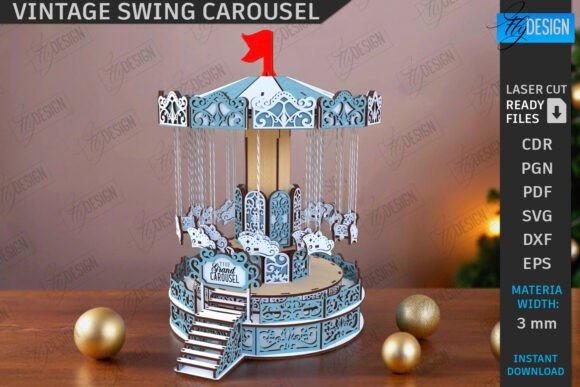
When you first load the preview files for the 3D Christmas Carousel Laser Cut Puzzle, the immediate takeaway is its intricate detail. Unlike flat vector illustrations that can sometimes feel generic or overly corporate, this asset carries a tactile, artisanal quality. The concept—a carousel crafted from laser-cut wood—evokes nostalgia, craftsmanship, and holiday cheer without being cluttered. For a blogger or small business owner, this creates an editorial mood that is both playful and sophisticated.
In terms of brand identity, this design leans heavily into the lifestyle and creative entrepreneur niches. It feels warm, inviting, and human-centric. If your website focuses on DIY projects, home decor, parenting, or festive gift guides, this asset aligns perfectly with your voice. It signals to the reader that your content is handcrafted and thoughtful, much like the physical puzzle it represents. However, if you run a serious financial news site or a B2B tech blog, this might feel too decorative. It is best suited for brands that want to emphasize creativity, community, and seasonal joy.
Integrating the Asset into Real Publishing Workflows
I recently tested this design within a real-world content publishing workflow. Here is how the 3D Christmas Carousel Laser Cut Puzzle performed across various formats:
- Blog Featured Images: The intricate lines of the carousel work beautifully as a background layer behind bold headline text. Because the design has depth (even in 2D representation), it adds dimension to your article headers without overwhelming the copy.
- Pinterest Pins: Pinterest is a visual search engine, and static images need to pop. This design offers a unique aesthetic that stands out in a feed saturated with standard holiday red-and-green clip art. It serves as an excellent base for creating eye-catching pins that drive traffic to affiliate links or gift guides.
- Email Newsletter Headers: For newsletter creators, consistency is key. Using this asset as a recurring header element helps build brand recognition during the Q4 season. It adds a polished, "editorial" touch that makes your emails feel like premium publications rather than mass blasts.
- Digital Guides and Lead Magnets: If you are designing a PDF eBook, worksheet, or printable checklist, this cover image instantly elevates the perceived value of the download. It suggests that the content inside is curated with care, which can significantly boost your opt-in rates.
Supporting Content Performance and Reader Trust
Why does this matter for your bottom line? In digital publishing, visual hierarchy dictates where the user looks first. A well-designed asset like the 3D Christmas Carousel Laser Cut Puzzle draws the eye naturally toward the center of the composition, making it ideal for placing calls-to-action (CTAs) or key messages.
Furthermore, consistent use of high-quality design assets improves reader trust. When a website looks professionally assembled, visitors subconsciously assume the content is reliable. By using a cohesive set of design assets that share a similar aesthetic—such as the laser-cut, wooden texture theme—you create a stronger brand identity. This cohesion is crucial for affiliate marketing pages, where you want the user to focus on the product recommendations rather than distracted by mismatched graphics.
Where This Design Shines vs. Where to Exercise Caution
To get the most out of this graphic design asset, you must understand its strengths and limitations in a web environment.
Best Use Cases:
- Hero Images: Large-scale displays allow the details of the laser-cut pattern to be appreciated.
- Social Media Previews: On Instagram or Facebook, the unique shape of the carousel breaks the grid of square posts.
- Category Thumbnails: Use it to visually distinguish holiday-related categories from year-round content.
- Website Header Accents: Place subtle versions of the design in the corners of your site to maintain a festive theme without distracting from navigation.
Use With Caution:
- Small Mobile Thumbnails: At very small sizes, the fine lines of a laser-cut design can blur or become muddy. Always test how it renders on mobile devices before committing to it as a primary thumbnail.
- Text-Heavy Blog Images: Avoid placing dense paragraphs of text directly over the detailed areas of the carousel. Keep the text zones clean or use semi-transparent overlays to ensure readability.
- Low-Contrast Backgrounds: If your website uses a light beige or pale wood tone background, the black or dark outlines of the puzzle may disappear. Ensure sufficient contrast between the asset and your background color.
- Corporate or Minimalist Niches: If your brand relies on strict minimalism, this ornate design might clash with your existing web design system. It is best for brands that embrace a slightly more ornamental or rustic aesthetic.
Practical Publisher Notes for Implementation
Before integrating the 3D Christmas Carousel Laser Cut Puzzle into your commercial projects, consider these technical and strategic steps:
- Test Across Devices: View the asset on desktop, tablet, and mobile screens. Check how it scales when used as a Canva template element or in Photoshop.
- Font Pairing: Experiment with typography. This design pairs exceptionally well with serif fonts for a classic editorial look, or display fonts for bold headlines. Avoid pairing it with thin script fonts unless you are careful about spacing.
- Check File Size: High-detail raster images can be heavy. Compress your images properly using tools like TinyPNG to ensure fast page load times, which is critical for SEO and user experience.
- Verify Licensing: Since this product originates from a creative marketplace and involves CNC file specifications, double-check the commercial license. Ensure you are permitted to use the visual representation for monetized websites, affiliate pages, and paid digital products.
- Black and White Test: Convert the asset to grayscale to check its structural integrity. If the design loses its impact without color, it may rely too heavily on hue rather than form.
The 3D Christmas Carousel Laser Cut Puzzle is more than just a fun craft project; it is a versatile digital download that can elevate your content marketing efforts. By treating it as a serious editorial design element, you can create a cohesive, engaging, and professional-looking winter campaign that resonates with your audience. Whether you are updating your website header, creating new social media graphics, or designing a festive lead magnet, this asset provides the visual punch needed to stand out in a crowded digital landscape.
Remember, great content deserves great visuals. By investing time in selecting the right design assets, you are not just decorating your blog—you are enhancing the user journey and reinforcing your authority as a trusted publisher. Give this carousel a spin in your next layout and watch your engagement metrics respond to the improved visual communication.